Through a Functional Medicine Approach
Are you struggling with Grade 1 Fatty Liver and feeling overwhelmed by traditional treatment options ?You’re not alone. Millions of people worldwide are searching for effective ways to reverse this condition and regain their health. But what if there was a more holistic approach that could address the root causes of fatty liver disease?
Enter the world of functional medicine – a groundbreaking approach that’s revolutionizing the way we think about liver health. 🌿 By focusing on the body as an interconnected system, functional medicine offers a personalized and comprehensive strategy for reversing Grade 1 Fatty Liver. This method doesn’t just mask symptoms; it aims to restore your liver’s natural balance and function.
In this blog post, we’ll explore how functional medicine can be your ally in the fight against fatty liver disease. From understanding the condition itself to implementing lifestyle changes and natural remedies, we’ll guide you through a step-by-step journey towards liver health. Get ready to discover dietary modifications, exercise routines, stress management techniques, and supplement recommendations that could transform your liver – and your life. Let’s dive into the world of functional medicine and unlock the secrets to reversing Grade 1 Fatty Liver!
Understanding Grade 1 Fatty Liver
Definition and Symptoms
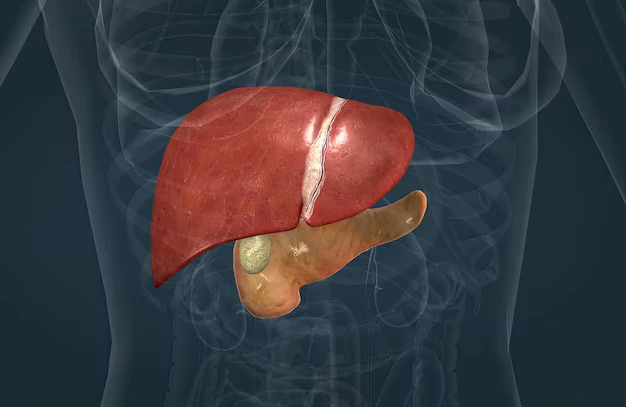
Grade 1 fatty liver, also known as mild hepatic steatosis, is characterized by the accumulation of fat in liver cells, affecting 5-33% of the organ. This condition often remains asymptomatic, making early detection challenging. However, some individuals may experience:
- Fatigue
- Discomfort in the upper right abdomen
- Enlarged liver (hepatomegaly)
| Symptoms | Frequency | Severity |
|---|---|---|
| Fatigue | Common | Mild |
| Abdominal discomfort | Occasional | Mild to moderate |
| Hepatomegaly | Less common | Varies |
Causes and Risk Factors
Several factors contribute to the development of Grade 1 fatty liver:
- Obesity
- Insulin resistance
- High alcohol consumption
- Sedentary lifestyle
- Poor diet (high in processed foods and saturated fats)
- Certain medications
- Genetic predisposition
Importance of Early Intervention
Early intervention is crucial in preventing the progression of Grade 1 fatty liver to more severe stages. Timely action can:
- Reverse fat accumulation in the liver
- Prevent inflammation and liver damage
- Reduce the risk of developing cirrhosis or liver cancer
- Improve overall metabolic health
By addressing Grade 1 fatty liver early, patients can avoid more serious complications and maintain optimal liver function. The functional medicine approach offers a comprehensive strategy to tackle this condition effectively.
The Functional Medicine Approach
Holistic View of Health
Functional medicine takes a comprehensive approach to health, considering the interconnectedness of various bodily systems. This holistic perspective is crucial when addressing Grade 1 fatty liver, as it recognizes that liver health is influenced by multiple factors beyond just diet.
Root Cause Analysis
A key aspect of the functional medicine approach is identifying the underlying causes of fatty liver. This involves:
- Detailed patient history
- Comprehensive blood tests
- Genetic analysis
- Environmental factor assessment
By pinpointing the root causes, practitioners can develop more effective treatment strategies.
Personalized Treatment Plans
Functional medicine emphasizes tailored interventions based on individual needs. A personalized treatment plan for Grade 1 fatty liver may include:
| Component | Examples |
|---|---|
| Diet | Mediterranean or ketogenic diet |
| Exercise | Strength training, cardio |
| Supplements | Milk thistle, omega-3 fatty acids |
| Lifestyle changes | Stress reduction techniques, sleep optimization |
Long-term Lifestyle Changes
Reversing fatty liver requires sustained effort. Functional medicine focuses on:
- Educating patients about the importance of long-term changes
- Providing ongoing support and monitoring
- Adjusting treatment plans as needed
- Empowering patients to take control of their health
By adopting this comprehensive approach, patients are more likely to achieve lasting improvements in liver health and overall well-being. With these strategies in place, we can now explore specific dietary modifications that play a crucial role in fatty liver reversal.
Dietary Modifications for Fatty Liver Reversal

Reducing processed foods and sugars
To reverse grade 1 fatty liver, it’s crucial to minimize the intake of processed foods and sugars. These items contribute to liver fat accumulation and inflammation. Replace sugary snacks and beverages with whole fruits and water. Opt for whole grains instead of refined carbohydrates.
Increasing fiber intake
Fiber plays a vital role in liver health by promoting satiety and regulating blood sugar levels. Aim for at least 25-30 grams of fiber daily. Here’s a list of high-fiber foods to include in your diet:
- Legumes (beans, lentils, chickpeas)
- Whole grains (quinoa, brown rice, oats)
- Vegetables (broccoli, Brussels sprouts, carrots)
- Fruits (berries, apples, pears)
Incorporating Liver-friendly Foods
Certain foods have properties that support liver health and function. Include these liver-friendly options in your meals:
| Food | Benefit |
|---|---|
| Leafy greens | Rich in antioxidants and chlorophyll |
| Fatty fish | High in omega-3 fatty acids |
| Nuts | Contain healthy fats and vitamin E |
| Garlic | Helps in liver detoxification |
| Turmeric | Anti-inflammatory properties |
Hydration Importance
Proper hydration is essential for liver health. Water helps flush toxins from the body and supports overall liver function. Aim for at least 8-10 glasses of water daily. Herbal teas and infused water can also contribute to your fluid intake while providing additional health benefits.
Exercise and Physical Activity
Benefits of Regular Exercise for Liver Health
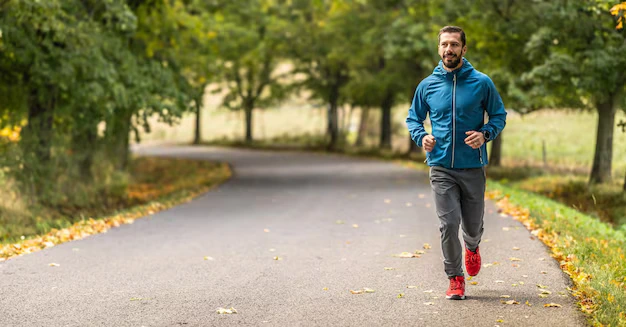
Regular exercise plays a crucial role in improving liver health and reversing grade 1 fatty liver. Here are some key benefits:
- Reduces liver fat
- Improves insulin sensitivity
- Enhances metabolic function
- Promotes weight loss
- Boosts overall liver function
| Benefit | Description |
|---|---|
| Fat reduction | Exercise helps burn excess fat in the liver |
| Insulin sensitivity | Physical activity improves the body’s response to insulin |
| Metabolic boost | Regular workouts increase metabolic rate, aiding in fat burning |
| Weight management | Exercise contributes to maintaining a healthy weight |
| Liver function | Physical activity supports overall liver health and function |
Recommended Types of Exercise
To effectively reverse grade 1 fatty liver, a combination of aerobic and resistance exercises is recommended:
- Aerobic exercises:
- Brisk walking
- Jogging
- Swimming
- Cycling
- Resistance training:
- Bodyweight exercises
- Weight lifting
- Resistance band workouts
Creating a Sustainable Workout Routine
Developing a consistent exercise routine is crucial for long-term liver health improvement. Here’s how to create a sustainable plan:
- Start slowly and gradually increase intensity
- Aim for at least 150 minutes of moderate-intensity exercise per week
- Incorporate both aerobic and resistance exercises
- Choose activities you enjoy to maintain motivation
- Schedule workouts at convenient times
Remember to consult with a healthcare professional before starting any new exercise regimen, especially if you have existing health conditions. Now that we’ve covered the importance of exercise, let’s explore stress management techniques that can further support your liver health journey.
Stress Management Techniques
Impact of Stress on Liver Health
Chronic stress can significantly impact liver health, exacerbating fatty liver disease. The stress hormone cortisol affects liver metabolism, leading to increased fat accumulation and inflammation. Here’s how stress affects the liver:
| Stress Effect | Impact on Liver |
|---|---|
| Cortisol release | Increases fat storage |
| Insulin resistance | Impairs glucose metabolism |
| Inflammation | Damages liver cells |
| Oxidative stress | Accelerates liver damage |
To combat these effects, implementing stress management techniques is crucial for fatty liver reversal.
Mindfulness and Meditation Practices
Incorporating mindfulness and meditation into your daily routine can significantly reduce stress levels and support liver health. Consider these practices:
- Mindful breathing exercises
- Body scan meditation
- Guided imagery techniques
- Progressive muscle relaxation
- Loving-kindness meditation
Regular practice of these techniques can lower cortisol levels, reduce inflammation, and improve overall liver function.
Sleep Optimization Strategies
Quality sleep is essential for liver health and stress management. Poor sleep can disrupt hormonal balance and increase stress levels. To optimize your sleep:
- Establish a consistent sleep schedule
- Create a relaxing bedtime routine
- Limit screen time before bed
- Ensure a cool, dark, and quiet sleeping environment
- Avoid caffeine and alcohol close to bedtime
By implementing these stress management techniques, you can support your liver’s healing process and enhance the effectiveness of other treatments for fatty liver reversal. Next, we’ll explore the role of supplements and natural remedies in managing fatty liver disease.
Supplements and Natural Remedies
Milk Thistle and its Benefits
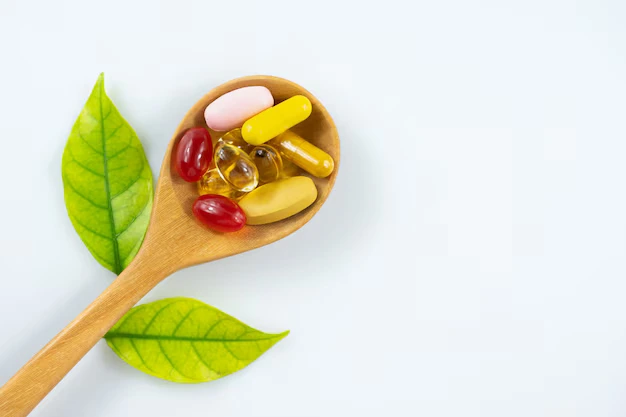
Milk thistle, a flowering herb native to Mediterranean regions, has been used for centuries to support liver health. Its active compound, silymarin, offers powerful antioxidant and anti-inflammatory properties that can aid in Grade 1 fatty liver reversal.
| Benefits of Milk Thistle | How It Helps |
|---|---|
| Liver cell protection | Shields against toxins and free radicals |
| Reduced inflammation | Decreases liver inflammation |
| Improved insulin resistance | Helps manage blood sugar levels |
| Enhanced detoxification | Supports the liver’s natural cleansing process |
Omega-3 Fatty Acids
Omega-3 fatty acids play a crucial role in reducing liver fat and inflammation. These essential fats can be obtained from both dietary sources and supplements.
- Fish oil supplements
- Flaxseed oil
- Chia seeds
- Fatty fish (salmon, mackerel, sardines)
Vitamin E and Other Antioxidants
Vitamin E, along with other antioxidants, helps protect liver cells from oxidative stress and reduces inflammation. Including these nutrients in your diet or through supplementation can support liver health:
- Vitamin C
- Selenium
- Glutathione
- Resveratrol
Herbal Tea for Liver Support
Certain herbal teas can provide gentle yet effective support for liver health. These teas offer various benefits, from reducing inflammation to promoting detoxification:
- Dandelion root tea
- Green tea
- Turmeric tea
- Ginger tea
Incorporating these supplements and natural remedies into your daily routine can complement dietary and lifestyle changes, potentially accelerating the reversal of Grade 1 fatty liver. However, it’s essential to consult with a healthcare professional before starting any new supplement regimen to ensure safety and effectiveness.
Monitoring Progress and Adjusting Treatment
Regular Liver Function Tests
Regular liver function tests are crucial for monitoring the progress of Grade 1 fatty liver reversal. These tests provide valuable insights into the liver’s health and functionality. Here’s a breakdown of key liver function tests and their significance:
| Test | What it measures | Normal range |
|---|---|---|
| ALT (Alanine Transaminase) | Liver cell damage | 7–56 U/L |
| AST (Aspartate Transaminase) | Liver cell damage | 10–40 U/L |
| ALP (Alkaline Phosphatase) | Bile duct blockage | 44–147 U/L |
| GGT (Gamma-Glutamyl Transferase) | Liver enzyme levels | 9–48 U/L |
| Bilirubin | Liver’s ability to process waste | 0.1–1.2 mg/dL |
It’s recommended to conduct these tests every 3-6 months during treatment to track improvements and adjust the approach if necessary.
Tracking Body Composition Changes
Monitoring body composition is essential in fatty liver reversal. Key metrics to track include:
- Body Mass Index (BMI)
- Waist circumference
- Body fat percentage
- Muscle mass
Regular measurements, typically every 4-8 weeks, can provide valuable feedback on the effectiveness of dietary and lifestyle changes.
Adapting the Plan Based on Results
As you monitor progress through liver function tests and body composition changes, it’s crucial to adapt the treatment plan accordingly. This may involve:
- Adjusting dietary recommendations
- Modifying exercise routines
- Reevaluating supplement regimens
- Addressing persistent stress factors
By continuously refining the approach based on individual responses, you can optimize the reversal of Grade 1 fatty liver and improve overall health outcomes.
Reversing Grade 1 fatty liver through a functional medicine approach offers a comprehensive and holistic path to better liver health. By addressing the root causes of fatty liver disease, this method emphasizes dietary changes, regular exercise, stress management, and targeted supplementation. These lifestyle modifications work synergistically to reduce liver fat accumulation, improve insulin sensitivity, and promote overall well-being.
Taking control of your liver health is a journey that requires commitment and patience. By implementing the strategies outlined in this post, you can significantly improve your liver function and potentially reverse Grade 1 fatty liver. Remember to work closely with a healthcare professional experienced in functional medicine to tailor the approach to your individual needs and monitor your progress. Your liver is a vital organ, and investing in its health today can lead to a healthier, more vibrant future.