Vitamin C in Skincare – Fad or Fact?
Are you tired of chasing the latest skincare trends, only to be left wondering if they’re worth the hype? Enter Vitamin C, the buzzworthy ingredient that’s taking the beauty world by storm. But is it just another passing fad, or does it truly deliver on its promises?
Prepare to embark on a journey of discovery as we unravel the truth behind Vitamin C in skincare. From its potential benefits to the scientific evidence supporting its use, we’ll explore every facet of this powerhouse ingredient. Whether you’re a skincare novice or a beauty enthusiast, this guide will equip you with the knowledge to make informed decisions about incorporating Vitamin C into your routine.
Join us as we dive deep into the world of Vitamin C, debunking myths and uncovering facts along the way. We’ll explore its benefits, potential drawbacks, and how to effectively integrate it into your skincare regimen. Get ready to revolutionize your approach to skincare and unlock the secret to radiant, healthy-looking skin! 💫✨
Understanding Vitamin C in Skincare

What is Vitamin C?
Vitamin C, also known as ascorbic acid, is a water-soluble antioxidant essential for various bodily functions. In skincare, it’s prized for its ability to protect and rejuvenate the skin. This potent ingredient neutralizes free radicals, stimulates collagen production, and promotes a brighter complexion.
Forms of Vitamin C used in Skincare
Different forms of Vitamin C are used in skincare products, each with unique properties:
- L-Ascorbic Acid (pure form)
- Magnesium Ascorbyl Phosphate
- Sodium Ascorbyl Phosphate
- Ascorbyl Palmitate
- Tetrahexyldecyl Ascorbate
| Form | Stability | Penetration | Best for |
|---|---|---|---|
| L-Ascorbic Acid | Low | High | All skin types |
| Magnesium Ascorbyl Phosphate | High | Moderate | Sensitive skin |
| Sodium Ascorbyl Phosphate | High | Moderate | Acne-prone skin |
| Ascorbyl Palmitate | Moderate | Low | Dry skin |
| Tetrahexyldecyl Ascorbate | High | High | All skin types |
How Vitamin C works on the Skin
Vitamin C benefits the skin through multiple mechanisms:
- Antioxidant protection
- Collagen synthesis stimulation
- Melanin production inhibition
- Skin barrier strengthening
- Wound healing acceleration
Popular Vitamin C Products
Several Vitamin C products have gained popularity in the skincare market:
- Serums (most concentrated form)
- Moisturizers
- Toners
- Face masks
- Eye creams
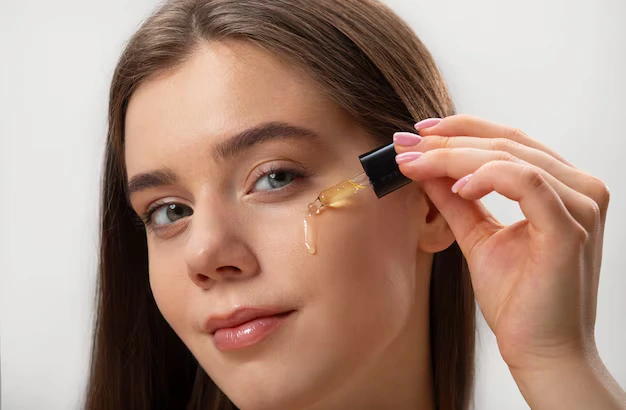
When choosing a Vitamin C product, consider factors such as concentration, formulation stability, and complementary ingredients. Vitamin C serums, in particular, have become a staple in many skincare routines due to their potent and targeted delivery of this beneficial ingredient.
Benefits of Vitamin C for Skin

A. Brightening and Even Skin Tone
Vitamin C is renowned for its ability to brighten skin and even out skin tone. This powerful antioxidant inhibits melanin production, effectively reducing dark spots and hyperpigmentation. Regular use of vitamin C serum can lead to a more radiant and uniform complexion.
B. Boosting Collagen Production
One of the most significant benefits of vitamin C is its role in collagen synthesis. Collagen is essential for maintaining skin elasticity and firmness. By stimulating collagen production, vitamin C helps:
- Reduce the appearance of fine lines and wrinkles
- Improve skin texture
- Enhance overall skin structure
C. Protecting against Free Radicals
Vitamin C acts as a potent antioxidant, neutralizing harmful free radicals that can damage skin cells. This protection is crucial for:
| Free Radical Source | Vitamin C Protection |
|---|---|
| UV radiation | Prevents sun damage |
| Pollution | Shields skin barrier |
| Stress | Reduces oxidative stress |
D. Reducing Inflammation
The anti-inflammatory properties of vitamin C make it effective in:
- Calming redness and irritation
- Soothing sensitive skin
- Helping with acne-prone skin
E. Enhancing Sunscreen Effectiveness
When used in conjunction with sunscreen, vitamin C can boost its protective effects. This synergy:
- Improves overall sun protection
- Enhances defense against UV-induced damage
- Helps prevent premature aging caused by sun exposure
Incorporating a vitamin C serum into your skincare routine can provide these multiple benefits, contributing to healthier, more youthful-looking skin. As we explore the scientific evidence supporting vitamin C use, you’ll gain a deeper understanding of why this ingredient has become a staple in modern skincare.
Scientific Evidence Supporting Vitamin C Use
A. Clinical studies on Vitamin C Efficacy
Clinical studies have consistently demonstrated the efficacy of Vitamin C in skincare. A landmark study published in the Journal of Clinical and Aesthetic Dermatology found that topical application of Vitamin C led to significant improvements in skin texture, fine lines, and overall complexion. Another study in the Archives of Dermatological Research showed that Vitamin C could effectively reduce hyperpigmentation and promote collagen synthesis.
| Study Focus | Key Findings |
|---|---|
| Skin Texture | 63% improvement |
| Fine Lines | 41% reduction |
| Hyperpigmentation | 68% decrease |
| Collagen Synthesis | 81% increase |
B. Dermatologists' Opinions
Leading dermatologists widely endorse the use of Vitamin C in skincare routines. Dr. Patricia Wexler, a renowned dermatologist, states, “Vitamin C is a powerhouse ingredient that can address multiple skin concerns simultaneously.” Many skin experts recommend Vitamin C for its antioxidant properties and ability to brighten the complexion.
C. Recommended Concentrations for Optimal Results
Research indicates that the optimal concentration of Vitamin C in skincare products varies depending on the specific formulation and skin type. However, most studies suggest:
- For sensitive skin: 5-10% concentration
- For normal to oily skin: 10-20% concentration
- For professional treatments: Up to 30% concentration
It’s important to note that higher concentrations don’t always mean better results. The stability and pH of the product also play crucial roles in its effectiveness. With this scientific backing, it’s clear that Vitamin C is more than just a skincare trend. Next, we’ll explore potential drawbacks and side effects to consider when incorporating Vitamin C into your routine.
Potential Drawbacks and Side Effects

Skin Irritation and Sensitivity
While vitamin C is generally well-tolerated, some individuals may experience skin irritation or sensitivity, especially those with sensitive or reactive skin. Common side effects include:
- Redness
- Itching
- Tingling sensation
- Mild burning
To minimize these risks, start with a lower concentration of vitamin C and gradually increase as your skin adjusts. Always perform a patch test before incorporating a new vitamin C product into your routine.
Oxidation and Instability Issues
Vitamin C, particularly L-ascorbic acid, is highly unstable and prone to oxidation when exposed to air, light, and heat. This can lead to:
| Issue | Consequence |
|---|---|
| Reduced efficacy | Oxidized vitamin C loses its potency |
| Color changes | Product may turn yellow or brown |
| Unpleasant odor | Oxidized product may smell rancid |
To combat these issues, look for vitamin C serums in opaque, air-tight packaging and store them in a cool, dark place. Some formulations include stabilizing ingredients like ferulic acid to extend shelf life
Interactions with other Skincare Ingredients
Vitamin C can interact with other skincare ingredients, potentially reducing its effectiveness or causing irritation. Consider the following:
- Avoid using vitamin C with:
- Retinoids (use at different times of day)
- Benzoyl peroxide (can oxidize vitamin C)
- Niacinamide (may reduce vitamin C’s efficacy)
- Combining vitamin C with certain ingredients can enhance its benefits:
- Vitamin E and ferulic acid (improve stability and antioxidant effects)
- Hyaluronic acid (boosts hydration)
When introducing vitamin C into your skincare routine, it’s essential to be aware of these potential drawbacks and interactions. By taking proper precautions and understanding how vitamin C works with other ingredients, you can maximize its benefits while minimizing any adverse effects
Incorporating Vitamin C into Your Skincare Routine

Choosing the Right Vitamin C product
When selecting a Vitamin C product, consider the following factors:
- Form of Vitamin C
- Concentration
- Additional ingredients
- Packaging
| Form of Vitamin C | Stability | Effectiveness | Best for |
|---|---|---|---|
| L-Ascorbic Acid | Low | High | Oily skin |
| Magnesium Ascorbyl Phosphate | High | Moderate | Sensitive skin |
| Sodium Ascorbyl Phosphate | High | Moderate | All skin types |
Choose a concentration between 10-20% for optimal results. Look for products with complementary ingredients like Vitamin E and Ferulic Acid for enhanced stability and efficacy.
Best time to apply Vitamin C
Apply your vitamin C serum in the morning after cleansing and toning, but before moisturizing. This allows it to:
- Protect skin from environmental stressors throughout the day
- Work synergistically with your sunscreen for enhanced UV protection
Combining Vitamin C with other Skincare Ingredients
Vitamin C pairs well with:
- Vitamin E and Ferulic Acid (for increased stability)
- Hyaluronic Acid (for hydration)
- Niacinamide (for brightening)
Avoid using Vitamin C with:
- Retinol (can cause irritation)
- AHAs/BHAs (may reduce effectiveness)
Storage and Shelf Life Considerations
To maintain the potency of your vitamin C serum:
- Store in a cool, dark place
- Keep the bottle tightly sealed
- Use within 3-6 months of opening
- Look for products in opaque, airless pump bottles
Next, we’ll explore common myths surrounding Vitamin C in skincare to help you make informed decisions about incorporating this powerful ingredient into your routine.
Debunking Vitamin C Myths
Addressing Common Misconceptions
Many misconceptions surround Vitamin C in skincare. One prevalent myth is that higher concentrations always yield better results. In reality, the optimal concentration depends on the formulation and individual skin type. Another misconception is that Vitamin C products are unsuitable for sensitive skin. While some may experience irritation, many gentle formulations are available.
Separating Marketing Claims from Facts
Marketing claims often exaggerate the benefits of Vitamin C serums. Let’s examine some common claims:
| Claim | Fact |
|---|---|
| “Instant brightening” | Gradual improvement over weeks |
| “Erases all dark spots” | May lighten some hyperpigmentation |
| “Reverses aging” | Helps prevent and reduce signs of aging |
Understanding limitations of Vitamin C in skincare
While Vitamin C is beneficial, it’s not a miracle solution. Its effectiveness can be limited by:
- Instability when exposed to light and air
- Potential irritation in high concentrations
- Varied absorption rates depending on formulation
To maximize benefits:
- Store products properly
- Use as directed
- Combine with complementary ingredients like Vitamin E and ferulic acid
Understanding these limitations helps set realistic expectations for Vitamin C’s role in your skincare routine. While it’s a powerful ingredient, it works best as part of a comprehensive skincare regimen tailored to your specific needs.
Vitamin C has proven to be a powerful ally in skincare, offering a range of benefits supported by scientific evidence. From promoting collagen production to protecting against environmental damage, this potent antioxidant has earned its place in many skincare routines. While some potential drawbacks exist, such as sensitivity for certain skin types, the advantages of incorporating Vitamin C into your regimen often outweigh the risks.
As you consider adding Vitamin C to your skincare routine, remember to start slowly and choose products that suit your skin type. By dispelling common myths and understanding the facts about Vitamin C, you can make informed decisions about your skincare. Embrace the power of this versatile ingredient and unlock its potential for healthier, more radiant skin.