The Magical Anti Oxidant That Everyone is Talking About
Have you ever wondered why some people seem to age gracefully, maintain vibrant energy, and bounce back from illness faster than others? The secret might be hiding within your own cells. Enter glutathione – the unsung hero of your body’s defense system. This powerful antioxidant is so crucial to our well-being that scientists have dubbed it the “master antioxidant.” But what exactly is glutathione, and why should you care?
Imagine having a superhero inside your body, tirelessly fighting off harmful toxins, boosting your immune system, and even helping you look younger. That’s glutathione in action. From detoxifying your liver to protecting your brain cells, this remarkable molecule plays a vital role in numerous bodily functions. Yet, despite its importance, many people have never heard of it. In this blog post, we’ll unlock the mysteries of glutathione, explore its incredible benefits, and reveal how you can harness its power for optimal health. Get ready to discover why glutathione might just be the magic antioxidant you’ve been missing in your wellness routine.
Understanding Glutathione: The Body's Master Antioxidant
Definition and Chemical Composition
Glutathione is a tripeptide molecule composed of three amino acids: cysteine, glutamic acid, and glycine. This powerful antioxidant plays a crucial role in maintaining cellular health and protecting against oxidative stress. Its chemical structure allows it to neutralize harmful free radicals and detoxify various compounds in the body.
| Component | Function |
|---|---|
| Cysteine | Provides sulfhydryl group for antioxidant activity |
| Glutamic acid | Enhances cellular uptake |
| Glycine | Stabilizes the molecule |
Natural Production in the Body
The body naturally produces glutathione in every cell, with the liver being the primary site of synthesis. This process involves two main steps:
- Formation of γ-glutamyl cysteine from glutamate and cysteine
- Addition of glycine to form glutathione
Factors affecting glutathione production include:
- Age
- Stress levels
- Diet
- Environmental toxins
Role in Cellular Health and Detoxification
Glutathione’s importance in maintaining cellular health cannot be overstated. It serves multiple functions:
- Antioxidant defense: Neutralizes free radicals and reactive oxygen species
- Detoxification: Helps remove toxins and heavy metals from the body
- Immune system support: Enhances T-cell function and overall immunity
- DNA synthesis and repair: Aids in maintaining genetic integrity
While glutathione injections are sometimes used to boost levels quickly, the body’s natural production is generally sufficient for maintaining optimal health when supported by a balanced lifestyle and diet.
The Powerful Benefits of Glutathione
A. Boosting Immune Function
Glutathione plays a crucial role in enhancing our immune system’s performance. This powerful antioxidant supports the production and function of T-cells, which are essential for fighting off infections and diseases. By maintaining optimal glutathione levels, you can significantly improve your body’s natural defense mechanisms.
| Immune Function | Glutathione’s Role |
|---|---|
| T-cell production | Enhances proliferation |
| Cytokine balance | Regulates inflammatory response |
| Antibody production | Supports B-cell function |
| Natural killer cells | Increases activity |
B. Reducing Oxidative Stress
As the body’s master antioxidant, glutathione is unparalleled in its ability to combat oxidative stress. It neutralizes harmful free radicals and helps recycle other antioxidants like vitamin C and E, creating a powerful defense against cellular damage.
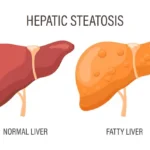
C. Supporting Liver Health
The liver, our primary detoxification organ, relies heavily on glutathione for its functions. Glutathione aids in:
- Neutralizing toxins
- Supporting Phase II detoxification
- Protecting liver cells from damage
- Enhancing overall liver function
D. Enhancing skin appearance
Glutathione’s antioxidant properties extend to skin health, offering benefits such as:
- Reducing hyperpigmentation
- Improving skin elasticity
- Decreasing the appearance of wrinkles
- Protecting against UV damage
E. Potential Anti-aging Effects
Research suggests that glutathione may play a role in slowing down the aging process. Its ability to protect cells from oxidative damage and support vital bodily functions contributes to overall longevity and well-being.
Now that we’ve explored the powerful benefits of glutathione, let’s examine the various sources of this crucial antioxidant in our diet and environment.
Sources of Glutathione
A. Foods rich in Glutathione precursors
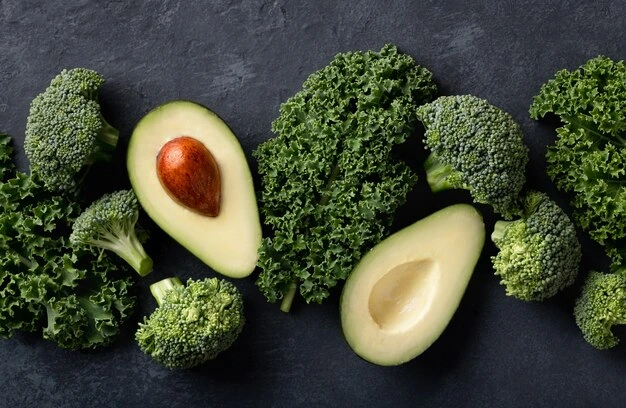
Boosting your glutathione levels naturally starts with incorporating the right foods into your diet. These foods contain precursors that help your body produce more of this powerful antioxidant:
- Sulfur-rich foods:
- Garlic
- Onions
- Cruciferous vegetables (broccoli, cauliflower, kale)
- Foods high in cysteine:
- Eggs
- Whey protein
- Lean meats
- Foods rich in selenium:
- Brazil nuts
- Sardines
- Sunflower seeds
| Nutrient | Food Sources | Benefits |
|---|---|---|
| Sulfur | Garlic, onions, cruciferous veggies | Supports glutathione production |
| Cysteine | Eggs, whey protein, lean meats | Key amino acid for glutathione synthesis |
| Selenium | Brazil nuts, sardines, sunflower seeds | Enhances glutathione activity |
B. Supplements and their forms
While food sources are ideal, supplements can also help increase glutathione levels:
- Direct glutathione supplements:
- Oral tablets or capsules
- Liposomal glutathione (better absorption)
- Intravenous (IV) glutathione
- Precursor supplements:
- N-acetyl cysteine (NAC)
- Alpha-lipoic acid
- Milk thistle
C. Topical Applications
Topical glutathione products are gaining popularity in skincare:
- Creams and lotions
- Serums
- Face masks
These products claim to brighten skin, reduce hyperpigmentation, and provide antioxidant protection. However, their effectiveness compared to internal sources is still being studied.
Now that we’ve explored various sources of glutathione, let’s examine what happens when your body doesn’t have enough of this crucial antioxidant.
Glutathione Deficiency and Its Consequences
Common Causes of Low Glutathione Levels
Low glutathione levels can be attributed to various factors:
- Aging
- Poor nutrition
- Chronic stress
- Environmental toxins
- Certain medications
| Factor | Impact on Glutathione Levels |
|---|---|
| Aging | Natural decline in production |
| Poor nutrition | Lack of precursor nutrients |
| Chronic stress | Increased oxidative stress |
| Environmental toxins | Depletion of glutathione stores |
| Medications | Interference with synthesis |
Health Issues Associated with Deficiency
Glutathione deficiency can lead to numerous health problems:
- Weakened immune system
- Increased oxidative stress
- Accelerated aging
- Chronic fatigue
- Neurodegenerative disorders
Signs and Symptoms To Watch for
Be aware of these potential indicators of glutathione deficiency:
- Frequent infections
- Unexplained fatigue
- Brain fog or difficulty concentrating
- Joint pain or inflammation
- Slow wound healing
- Skin problems (e.g., dryness, wrinkles)
While glutathione injections can be used to address severe deficiencies, it’s essential to consult a healthcare professional for proper diagnosis and treatment. Recognizing the signs of deficiency early can help prevent more serious health issues from developing. As we explore ways to optimize glutathione levels naturally in the next section, you’ll discover how to support your body’s production of this crucial antioxidant.
Optimizing Glutathione Levels Naturally
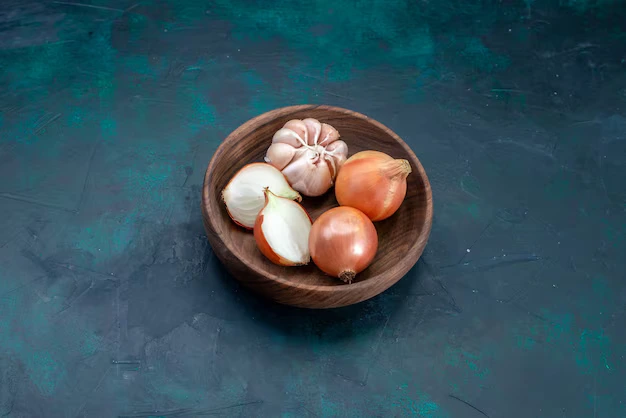
Dietary Changes to Support Production
To optimize glutathione levels naturally, consider incorporating these glutathione-boosting foods into your diet:
- Sulfur-rich foods
- Cruciferous vegetables
- Allium vegetables
- Lean proteins
- Selenium-rich foods
| Food Category | Examples |
|---|---|
| Sulfur-rich | Garlic, onions, eggs |
| Cruciferous | Broccoli, cauliflower, kale |
| Allium | Leeks, chives, shallots |
| Lean proteins | Chicken, fish, tofu |
| Selenium-rich | Brazil nuts, sardines, sunflower seeds |
Lifestyle habits that boost glutathione
Adopting certain lifestyle habits can significantly increase your body’s glutathione production:
- Get adequate sleep (7-9 hours per night)
- Manage stress through meditation or yoga
- Avoid excessive alcohol consumption
- Reduce exposure to environmental toxins
- Stay hydrated
Exercise and its Impact on Glutathione Levels
Regular physical activity plays a crucial role in maintaining optimal glutathione levels. Moderate-intensity exercises, such as brisk walking, swimming, or cycling, can enhance glutathione production and utilization in the body. Aim for at least 150 minutes of moderate exercise per week to reap the benefits.
While glutathione injections may be prescribed in certain medical situations, focusing on natural methods to boost glutathione levels is generally safer and more sustainable for long-term health. By combining a nutrient-rich diet, healthy lifestyle habits, and regular exercise, you can effectively optimize your body’s glutathione production and maintain its powerful antioxidant benefits.
Glutathione in Medical Applications

Treatment of Specific Health Conditions
Glutathione’s versatility in medical applications has garnered significant attention in recent years. Its powerful antioxidant properties make it a promising treatment option for various health conditions. Here’s a list of some specific health conditions where glutathione has shown potential:
- Liver diseases
- Respiratory disorders
- Autoimmune conditions
- Cardiovascular diseases
- Skin disorders
| Condition | Glutathione’s Role |
|---|---|
| Liver diseases | Detoxification support |
| Respiratory disorders | Reduction of oxidative stress |
| Autoimmune conditions | Immune system modulation |
| Cardiovascular diseases | Protection against oxidative damage |
| Skin disorders | Skin brightening and repair |
Use in Cancer Therapy Support
In cancer therapy, glutathione plays a dual role. While it can protect healthy cells from the damaging effects of chemotherapy and radiation, it may also shield cancer cells. However, glutathione injections are sometimes used to mitigate the side effects of cancer treatments. They can help reduce toxicity in healthy cells and improve patients’ overall well-being during rigorous treatment regimens.
Potential in Neurological Disorders
Glutathione’s neuroprotective properties make it a subject of interest in treating neurological disorders. Research suggests that glutathione deficiency may contribute to the progression of conditions such as Parkinson’s disease, Alzheimer’s disease, and multiple sclerosis. By enhancing glutathione levels through supplementation or injection, there’s potential to slow down neurodegenerative processes and improve cognitive function in affected individuals.
As we explore these medical applications, it’s crucial to consider the optimal ways to boost glutathione levels naturally in our daily lives.
Glutathione stands as a remarkable antioxidant essential for our overall health and well-being. From its role in detoxification to its ability to boost the immune system and combat oxidative stress, this powerful molecule offers a wide array of benefits. By understanding the sources of glutathione, recognizing the signs of deficiency, and implementing strategies to optimize levels naturally, we can harness its potential for improved health.
As research continues to unveil the numerous applications of glutathione in medical treatments, it becomes increasingly clear that this “master antioxidant” plays a crucial role in maintaining our body’s balance. Whether through dietary choices, lifestyle modifications, or supplementation under professional guidance, prioritizing glutathione levels can be a significant step towards enhancing overall health and longevity. Embrace the power of glutathione and unlock its potential to support your body’s natural defense mechanisms.